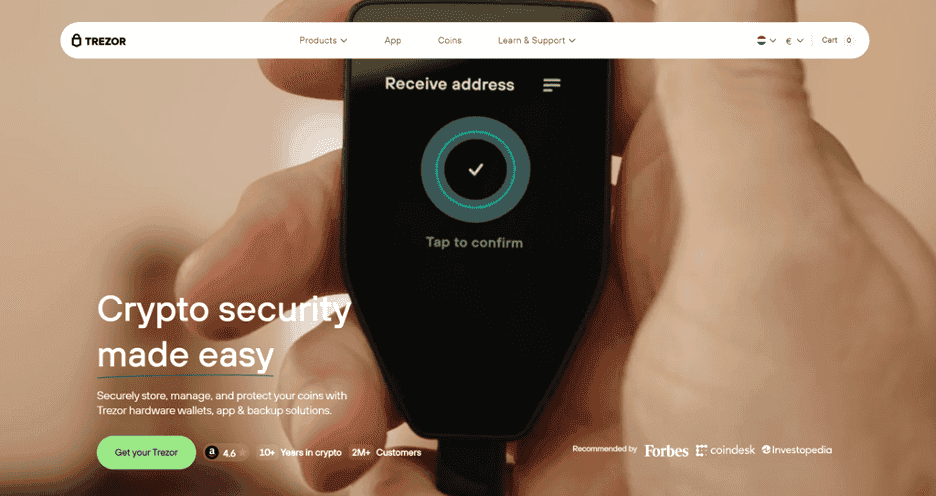
Trezor Bridge: A Complete Guide to Secure Hardware Wallet Connectivity
In the world of cryptocurrency, hardware wallets are widely recognized as one of the safest ways to store digital assets. Trezor Bridge plays a crucial role in this ecosystem, serving as the essential communication link between Trezor hardware wallets and computers. By enabling secure interaction with Trezor devices, Trezor Bridge allows users to manage cryptocurrencies, execute transactions, and access applications while maintaining maximum security.
This article provides a comprehensive overview of Trezor Bridge, including its purpose, setup process, features, troubleshooting tips, and best practices for ensuring secure and efficient cryptocurrency management.
What Is Trezor Bridge?
Trezor Bridge is a software application that facilitates communication between Trezor hardware wallets and desktop browsers or applications. While Trezor devices are designed to store private keys offline securely, they require a secure interface to connect to computers for transactions, wallet management, and application access.
Previously, users relied on Trezor’s web-based interface, which required browser extensions to communicate with hardware wallets. Trezor Bridge replaced these extensions, providing a more secure, reliable, and cross-platform solution. It ensures that all data transmitted between the hardware wallet and the computer is encrypted and safe from potential online threats.
Why Trezor Bridge Is Important
Trezor Bridge is essential for several reasons:
1. Secure Communication
The bridge encrypts data transmitted between the computer and the Trezor device. This prevents sensitive information, including private keys and transaction data, from being exposed to malware or malicious websites.
2. Cross-Browser Compatibility
Unlike older solutions that relied on specific browser extensions, Trezor Bridge works across major browsers such as Chrome, Firefox, Edge, and others. This flexibility ensures a consistent and secure experience for all users.
3. Multi-Platform Support
Trezor Bridge is compatible with Windows, macOS, and Linux operating systems. Users can connect their Trezor wallets to virtually any computer without worrying about platform restrictions.
4. Simplified User Experience
By eliminating the need for separate browser extensions, Trezor Bridge makes it easier for users to interact with Trezor wallets. The installation process is straightforward, and once set up, the wallet communicates seamlessly with supported applications.
Key Features of Trezor Bridge
Trezor Bridge provides several features that enhance security, usability, and functionality:
1. Encrypted Data Transmission
All communication between the computer and Trezor device is encrypted. This ensures that private keys and sensitive transaction information are never exposed to potential attackers.
2. Automatic Device Detection
Trezor Bridge automatically detects connected devices, allowing users to access their wallets without manual configuration or complex setup steps.
3. Firmware Update Support
The bridge facilitates firmware updates for Trezor devices. Keeping the firmware updated is crucial for maintaining the latest security features and compatibility with new cryptocurrencies.
4. Compatibility with Trezor Suite
Trezor Bridge works seamlessly with Trezor Suite, the official desktop application for managing cryptocurrency assets. Users can execute trades, monitor portfolio balances, and access advanced features securely.
5. Multi-Device Management
Users can connect multiple Trezor devices to a single computer. Trezor Bridge manages these connections efficiently, ensuring each device is recognized and operates independently.
How to Install and Set Up Trezor Bridge
Installing Trezor Bridge is straightforward, but following the correct steps is essential for a secure setup.
1. Download Trezor Bridge
Visit the official Trezor website and download the latest version of Trezor Bridge for your operating system. Ensure that the download comes from the official source to avoid malicious software.
2. Install the Application
Run the installer and follow the on-screen instructions. The installation process varies slightly depending on the operating system but is generally simple and user-friendly.
3. Connect Your Trezor Device
Once installed, connect your Trezor hardware wallet to the computer using a USB cable. The system should automatically detect the device.
4. Access Trezor Suite or Supported Applications
After the device is detected, open Trezor Suite or another supported application. The bridge enables secure communication, allowing you to access your wallet, send and receive cryptocurrency, and manage assets.
5. Verify Device Connection
Confirm that the device is recognized by checking for prompts on both the computer and the Trezor device screen. This verification ensures that communication is established securely.
Best Practices for Using Trezor Bridge
To maximize security and efficiency while using Trezor Bridge, users should follow these best practices:
1. Keep Trezor Bridge Updated
Regular updates ensure compatibility with the latest browsers, operating systems, and Trezor firmware. Updates often include security enhancements that protect against potential vulnerabilities.
2. Verify Official Sources
Always download Trezor Bridge from the official Trezor website. Avoid third-party websites or unverified sources to prevent malware or tampered installations.
3. Use Trusted Devices
Connect your Trezor wallet only to trusted computers. Avoid public or shared devices that may be compromised by malware or keyloggers.
4. Secure Your Recovery Seed
Never share your recovery seed with anyone. Trezor Bridge communicates securely, but the recovery seed is the ultimate key to your funds. Keep it offline in a safe and secure location.
5. Enable Firmware Updates Promptly
Firmware updates often include security improvements. Use Trezor Bridge to update your device whenever a new version is released.
Common Issues and Troubleshooting
While Trezor Bridge is designed for ease of use, users may occasionally encounter issues. The following are common problems and solutions:
1. Device Not Detected
If the Trezor device is not recognized:
Ensure the USB cable is connected securely.
Try a different USB port.
Restart the computer and reconnect the device.
Verify that Trezor Bridge is installed and running.
2. Browser Compatibility Problems
Although Trezor Bridge supports major browsers, occasional conflicts may occur:
Clear browser cache and cookies.
Update the browser to the latest version.
Restart the browser and try reconnecting.
3. Transaction Failures
If transactions fail while using Trezor Suite or another application:
Verify that the Trezor device firmware is up to date.
Ensure sufficient network fees for cryptocurrency transactions.
Confirm the correct destination address and amount.
4. Security Warnings
Users may encounter warnings about certificates or blocked connections. Always ensure that Trezor Bridge is installed from the official source and that the computer’s security settings allow the bridge to function.
Advantages of Using Trezor Bridge
Trezor Bridge offers several benefits compared to older connection methods or software solutions:
Improved Security: Encrypted communication prevents exposure of private keys.
Cross-Platform Compatibility: Works with Windows, macOS, and Linux without extra configuration.
Simplified User Experience: Eliminates the need for browser extensions while ensuring seamless device integration.
Enhanced Device Management: Supports multiple devices and firmware updates efficiently.
Integration with Trezor Suite: Provides a centralized and secure interface for managing digital assets.
These advantages make Trezor Bridge an essential tool for anyone using Trezor hardware wallets.
Conclusion
Trezor Bridge is a critical component of the Trezor ecosystem, enabling secure, reliable, and efficient communication between hardware wallets and computers. By providing encrypted data transmission, cross-platform compatibility, and seamless integration with Trezor Suite, it ensures that cryptocurrency management is both safe and convenient.
Proper installation, regular updates, secure device usage, and careful handling of recovery seeds are essential for maximizing security. With Trezor Bridge, users can confidently manage their cryptocurrencies, execute transactions, and participate in digital finance while minimizing risks associated with online threats.
For anyone using Trezor hardware wallets, Trezor Bridge provides the foundation for a secure, efficient, and user-friendly cryptocurrency experience.