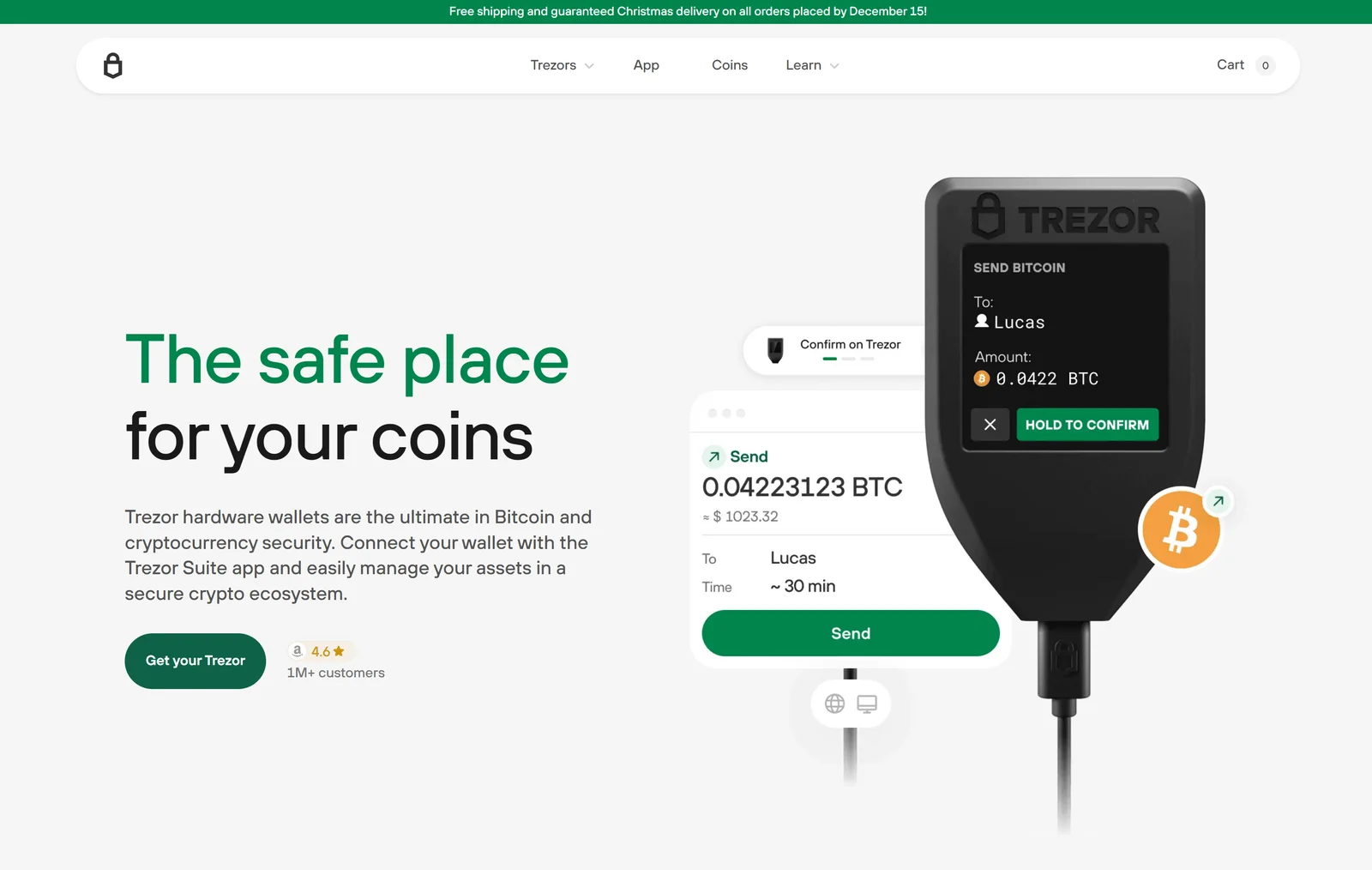
Trezor Bridge – A Complete Guide to Secure Cryptocurrency Management
With the rapid growth of cryptocurrency, ensuring the security and accessibility of digital assets has become increasingly important. Hardware wallets are widely regarded as one of the safest ways to store cryptocurrencies, as they keep private keys offline and protect against hacks. Trezor Bridge is an essential software component that allows users to securely connect their Trezor hardware wallet to a computer or web browser, enabling seamless interaction with Trezor’s suite of services. This article explores Trezor Bridge, its installation, functionality, features, security aspects, and best practices for safe usage.
What Is Trezor Bridge?
Trezor Bridge is a communication tool designed to connect Trezor hardware wallets to a computer’s web browser or desktop application. Unlike a standalone wallet interface, Trezor Bridge acts as an intermediary between the hardware device and Trezor’s web-based wallet interface or desktop apps, enabling secure interaction without exposing private keys.
The primary purpose of Trezor Bridge is to facilitate secure transactions, manage cryptocurrencies, and interact with decentralized applications (DApps) while keeping sensitive information offline. It supports various Trezor models, including Trezor One and Trezor Model T, and works with multiple operating systems, including Windows, macOS, and Linux.
Key Features of Trezor Bridge
1. Secure Connection
Trezor Bridge ensures that communications between the hardware wallet and the computer are encrypted. This prevents unauthorized access and ensures that private keys never leave the hardware wallet.
2. Cross-Platform Compatibility
Trezor Bridge is compatible with major operating systems, including Windows, macOS, and Linux. This ensures that users can interact with their Trezor wallet on virtually any desktop or laptop.
3. Seamless Browser Integration
Once installed, Trezor Bridge integrates with web browsers, enabling users to access Trezor Wallet and other compatible platforms directly. This allows for secure management of cryptocurrency assets without the need for complex setup.
4. Support for Multiple Cryptocurrencies
Trezor Bridge works with Trezor’s supported cryptocurrencies, including Bitcoin, Ethereum, Litecoin, and numerous altcoins. This allows users to manage a diverse portfolio from a single interface.
5. Automatic Updates
Trezor Bridge receives regular updates to enhance security, fix bugs, and support new cryptocurrencies. Automatic notifications ensure that users maintain a secure and up-to-date connection.
6. User-Friendly Interface
Although Trezor Bridge functions behind the scenes, the installation and setup process are simple, even for users who are not tech-savvy. Clear instructions guide users through connecting their hardware wallet safely.
How to Install Trezor Bridge
Installing Trezor Bridge is a straightforward process. Users must follow these steps to ensure proper setup:
Step 1: Download Trezor Bridge
Visit the official Trezor website and download the latest version of Trezor Bridge compatible with your operating system.
Step 2: Run the Installer
Once downloaded, open the installer and follow the on-screen instructions to complete the installation process.
Step 3: Connect Your Trezor Device
Use a USB cable to connect the Trezor hardware wallet to your computer. The device should power on and display its interface.
Step 4: Open Trezor Wallet
Navigate to Trezor Wallet in your browser. The web application will detect Trezor Bridge and prompt you to interact with your device.
Step 5: Confirm Connection
Follow the prompts on your hardware wallet to confirm the connection. You can now manage cryptocurrencies, initiate transactions, and interact with supported platforms.
Using Trezor Bridge
Managing Cryptocurrency
Once connected through Trezor Bridge, users can view balances, send and receive cryptocurrencies, and track transactions. The hardware wallet ensures that all private keys remain offline, protecting assets from potential online threats.
Interacting with DApps
Trezor Bridge enables interaction with decentralized applications that require hardware wallet authentication. Users can approve transactions securely on the device, ensuring that their private keys are never exposed.
Firmware Updates
Users can update their Trezor device firmware through the web interface while connected via Trezor Bridge. The software verifies updates and ensures they are installed securely without compromising the wallet.
Cross-Platform Asset Management
Trezor Bridge allows users to manage multiple cryptocurrencies across different networks seamlessly. Users can switch between assets and perform transactions without disconnecting or reinstalling software.
Security Features of Trezor Bridge
Security is a core aspect of Trezor Bridge. Some key security features include:
1. End-to-End Encryption
All communications between the hardware wallet and the computer are encrypted, ensuring sensitive data remains private.
2. Offline Key Storage
Private keys never leave the hardware wallet. Trezor Bridge only facilitates communication between the wallet and computer.
3. Verification Prompts
Transactions must be confirmed on the Trezor device itself. This prevents malware or remote attackers from executing unauthorized transactions.
4. Regular Updates
Trezor Bridge receives regular updates to address vulnerabilities, support new assets, and enhance security. Users are encouraged to keep their software up to date.
5. Device Authentication
The hardware wallet must be physically connected to authorize any transactions, adding an additional layer of security against remote attacks.
Benefits of Using Trezor Bridge
1. Enhanced Security
By keeping private keys offline and requiring physical confirmation for transactions, Trezor Bridge reduces the risk of hacks and unauthorized access.
2. Ease of Use
Despite its sophisticated security features, Trezor Bridge is designed for simplicity. Users can connect their hardware wallet, access assets, and perform transactions with minimal technical knowledge.
3. Compatibility
Trezor Bridge works across multiple operating systems and browsers, allowing users to manage their assets from virtually any computer.
4. Support for Multiple Cryptocurrencies
Users can manage a wide range of digital assets from one interface, reducing the need for multiple wallets.
5. Seamless Integration with Web and Desktop Apps
Trezor Bridge enables smooth interaction with web-based wallets, desktop applications, and supported DApps, providing a flexible and versatile experience.
Best Practices for Using Trezor Bridge
To ensure optimal security and performance, users should follow these best practices:
Download from Official Sources – Only download Trezor Bridge from the official Trezor website to avoid malware.
Keep Software Updated – Regularly update Trezor Bridge and Trezor Wallet to access the latest security patches and features.
Verify Transactions on Device – Always confirm transaction details on the hardware wallet to prevent unauthorized transfers.
Secure Your Recovery Seed – Store your recovery seed offline in a safe location. This ensures you can recover your wallet if the device is lost or damaged.
Avoid Public Computers – Use Trezor Bridge on personal and secure devices to minimize exposure to security risks.
Monitor Device Authentication – Disconnect the hardware wallet when not in use to reduce the risk of unauthorized access.
Who Can Benefit from Trezor Bridge?
Cryptocurrency Investors
Investors who hold substantial amounts of cryptocurrency benefit from the enhanced security provided by Trezor Bridge and hardware wallets.
Traders
Traders who frequently move assets across exchanges or wallets can use Trezor Bridge for secure, quick, and reliable access.
DeFi Users
Users interacting with decentralized finance platforms can connect their Trezor wallet via Trezor Bridge to approve transactions safely.
Security-Conscious Individuals
Anyone concerned about online security and phishing attacks will benefit from Trezor Bridge’s offline key storage and encrypted communication.
Cross-Platform Users
Individuals who manage assets on multiple devices or operating systems can take advantage of Trezor Bridge’s compatibility with different environments.
Common Issues and Troubleshooting
While Trezor Bridge is generally reliable, users may encounter occasional problems:
Connection Problems
If the hardware wallet is not recognized, users should check the USB cable, port, and ensure Trezor Bridge is installed correctly.
Browser Detection Issues
Clear browser cache or restart the browser if Trezor Wallet does not detect the hardware device.
Software Outdated
Ensure that both Trezor Bridge and the hardware wallet firmware are up to date.
Operating System Permissions
On some operating systems, users may need to grant permission for Trezor Bridge to communicate with the device.
Firewall or Security Software
Temporarily disable or configure firewall or antivirus software that may block Trezor Bridge communication.
Conclusion
Trezor Bridge is an essential component for anyone using a Trezor hardware wallet. By providing a secure and seamless connection between the device and a computer or browser, it allows users to manage cryptocurrencies efficiently while keeping private keys offline. With features like encrypted communication, cross-platform compatibility, and support for multiple cryptocurrencies, Trezor Bridge ensures that users can securely access their digital assets without compromising convenience.
Following best practices, such as keeping software updated, verifying transactions on the device, and securely storing recovery seeds, enhances safety and reliability. Whether you are a casual crypto user, investor, or DeFi enthusiast, Trezor Bridge provides the necessary tools to interact securely with your Trezor hardware wallet and the broader digital finance ecosystem.